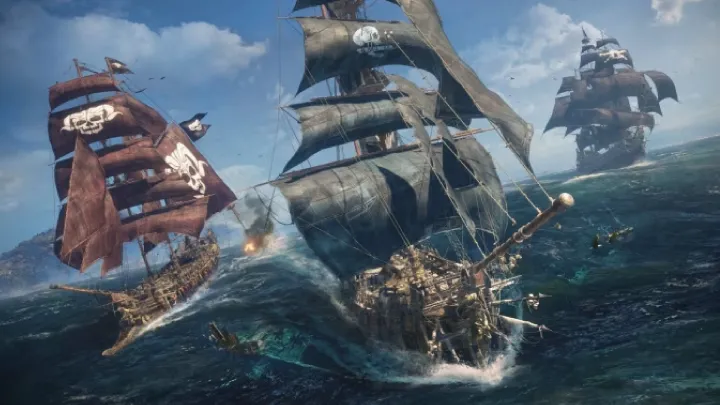




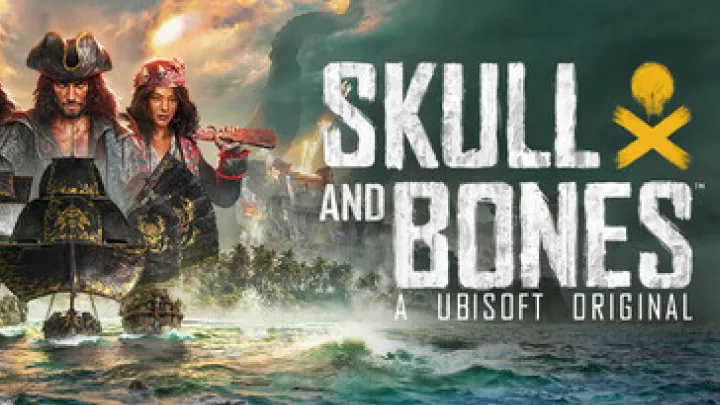
Skull and Bones sets out to deliver a gritty, naval-focused pirate experience built on survival, strategy, crafting, and open-sea dominance. But beneath the cannon smoke and crashing waves lies a core issue that shapes every player’s journey: progression fatigue caused by the game’s heavy reliance on the Infamy system. Rather than evolving naturally, progression often feels locked behind repetitive tasks, resource loops, and ship upgrades that demand excessive time investment. This article explores how the Infamy-centered grind affects pacing, player motivation, world immersion, and the long-term lifecycle of the game.
1. The Early Promise of Infamy and Its Hidden Weight
The opening hours of Skull and Bones present Infamy as an exciting measure of pirate reputation. Players are encouraged to build their legend by completing contracts, fighting rival ships, and gathering rare loot. At first glance, Infamy feels like a natural extension of pirate fantasy.
But the hidden burden becomes clear early on: nearly every system in the game is locked behind Infamy thresholds. Ship blueprints, weapons, crafting recipes, major contracts, and even some areas of the world require higher Infamy. The illusion of freedom collides with the reality of grinding reputation.
Early Progression Tension
Players quickly discover that enjoying the world is impossible without chasing Infamy, turning exploration from delight into duty.
2. The Repetitive Loop of Contract Grinding
Contracts are meant to offer a variety of pirate activities, but many share similar objectives: sink ships, deliver cargo, gather materials, repeat. When Infamy requirements rise, so does the pressure to repeat these contracts endlessly.
Players begin to feel a disconnect between the open-sea fantasy and the mechanical loop. Instead of unpredictable pirate adventures, they face a cycle of predictable chores disguised as quests.
Why Contracts Become Repetitive
- Objectives rarely evolve
- Enemies scale slowly
- Rewards stay flat while requirements grow
- Incentive to experiment decreases over time
Narrow Variety
The lack of multi-stage or narrative-driven missions turns Infamy into a wall that must be climbed through repetition rather than creativity.
3. Resource Gathering and the Long Road to Crafting
Ship crafting is a highlight of Skull and Bones, but the issue emerges when you realize each new ship requires massive piles of materials. Worse, upgrading weapons and armor requires even more.
What could be a thrilling journey toward powerful vessels becomes a checklist of harvesting nodes scattered across the Indian Ocean. Resource farming—wood, metal, saltpeter, fiber, ore—becomes essential, unavoidable, and time-consuming.
The more you advance, the more the game demands. Your excitement for a new ship often fades once you see the resource cost associated with it.
Crafting Fatigue
The problem isn’t crafting itself—it’s the imbalance between effort and reward.
Farming Pressure
Players start viewing the map not as an adventure playground but as an industrial supply chain.
4. Ship Progression as a Double-Edged Sword
Unlocking a new ship feels like progress—until you realize each one requires a full suite of upgrades to be viable. Base ships are intentionally underpowered, forcing players to grind additional materials and Infamy to make them battle-ready.
This design creates a paradox: you must upgrade your ship to get more Infamy, but you need Infamy to unlock upgrades.
Ship Upgrade Loop
- Unlock ship blueprint
- Gather rare materials
- Craft ship
- Discover it is underpowered
- Grind more for weapons
- Grind even more for armor
- Finally reach usable state—just in time to unlock the next ship
Delayed Satisfaction
The time between obtaining a new ship and actually enjoying it breaks the emotional reward cycle.
5. The Impact of Infamy on Combat Variety
Combat in Skull and Bones shines during intense naval battles, but Infamy progression pushes players to fight enemies far below their level just to farm repetition-based rewards. This results in predictable battles against the same ship classes.
When players do encounter stronger foes, they often cannot engage meaningfully due to gear limitations. Combat variety is sacrificed in favor of efficiency.
Combat Repetition
Many players end up tackling the same enemy routes because they offer the most efficient Infamy gain.
Risk Avoidance
Since dying wastes time and resources, players avoid challenging encounters until forced by Infamy requirements.
6. Exploration Limited by Infamy Gates
Exploration should be the heart of a pirate game. Skull and Bones offers a vast ocean filled with mysteries, islands, forts, and trade routes. But much of it is restricted behind Infamy gates.
Players may sail close to a new island only to realize the blueprints or activities there require a higher Infamy tier. Instead of inspiring curiosity, the world becomes segmented by artificial barriers.
Exploration Friction
- Locked vendors
- Infamy-gated blueprints
- Restricted endgame areas
- Quests that appear too early but can’t be completed
Loss of Discovery
Players no longer explore because they’re curious; they explore only when their Infamy allows it.
7. Player Motivation Erodes Over Time
Early in the game, players feel motivated because every action pushes them forward. But as Infamy requirements inflate, the return on investment shrinks significantly.
The grind begins to overshadow the fantasy. You stop playing as a pirate and start working as an accountant for your pirate empire—tracking resources, contracts, and required Infamy numbers.
Motivation Decline Factors
- Slowed progression pace
- Predictable contract patterns
- Repetitive combat scenarios
- High crafting demands
- Long gaps between meaningful rewards
Emotional Burnout
An adventure becomes a job, and the sea becomes a factory floor.
8. The Social Grind: When Multiplayer Amplifies Fatigue
Skull and Bones emphasizes shared world mechanics, but multiplayer doesn’t eliminate the grind—it magnifies it. Players compare ship progress, Infamy levels, and combat abilities, creating a pressure cycle.
Instead of enjoying the journey, many feel compelled to rush progression to avoid falling behind friends or guildmates.
Social Pressure Dynamics
- Group contracts require strong ships
- Weak players get carried or left behind
- Large crews accelerate resource burn
- Competition for Infamy increases repetition
Forced Efficiency
Players optimize their gameplay around grind-heavy efficiency rather than fun or exploration.
9. When Endgame Feels Like More of the Same
By the time players reach the endgame, they expect a shift in structure—new mechanics, new challenges, new systems. Instead, the Infamy grind simply continues, now tied to higher-level raids, legendary ships, and factional warfare.
What was once repetitive becomes exhausting.
Endgame Loop Issues
- Higher numbers, same objectives
- Bigger ships, same patterns
- New enemies, same tactics
- Higher costs, same resource routes
Monotony at Scale
The game expands in size but not in variety, leaving players feeling like they’re grinding for the sake of grinding.
10. Long-Term Impact: How Progression Fatigue Shapes the Game’s Future
The core issue—Infamy-driven progression fatigue—affects Skull and Bones beyond individual players. It shapes the game’s long-term reputation and retention.
Newcomers hear about the grind and hesitate. Veterans burn out and quit. The world feels vast, but its content loops feel narrow. Unless future updates rebalance Infamy, rework contracts, and diversify rewards, the game risks being defined by its grind rather than its world.
Potential Solutions
- Reduce Infamy requirements
- Add more dynamic contracts
- Allow alternative progression paths
- Introduce narrative-driven mission chains
- Increase variety in resource gathering
The Future Depends on Change
If the grind loosens, Skull and Bones has the potential to become the definitive naval pirate experience it sets out to be.
Conclusion
Skull and Bones delivers breathtaking naval combat and an immersive ocean world, but its central issue—progression fatigue caused by the Infamy system—shapes every part of the experience. From repetitive contracts to resource-heavy crafting, from locked exploration to slow ship progression, the grind becomes a barrier between players and the adventure they seek. While the foundation of the game is strong, its progression system demands refinement to truly unleash the pirate fantasy. If the developers rework Infamy, expand mission variety, and reward exploration more naturally, Skull and Bones can transform from a grind-heavy experience into a legendary open-sea epic.