.webp)








Pure Badminton is a fast, technical, and deeply strategic sports game that rewards precision, stamina management, footwork, and intelligent shot selection. Unlike arcade‑style badminton games, Pure Badminton emphasizes realistic shuttle physics, timing windows, and movement efficiency. Many players struggle not because they lack mechanical skill, but because they misunderstand the deeper systems that govern rallies, stamina, and positioning.
This guide provides a complete “Tips & Guides” roadmap, arranged in a meaningful timeline from beginner fundamentals to advanced competitive strategies. With ten structured sections, each containing practical tips, deeper explanations, and strategic insights, this article will help you build a strong foundation and evolve into a confident, consistent Pure Badminton player.
1. How to Build a Strong Foundation as a Beginner
The first step to mastering Pure Badminton is understanding the fundamentals. Many new players jump straight into matches without learning the core mechanics, which leads to frustration and inconsistent performance. The game’s physics‑based shuttle behavior and stamina‑linked shot accuracy require a thoughtful approach from the very beginning.
Start by familiarizing yourself with the basic controls: movement, shot types, timing windows, and stamina usage. Pure Badminton rewards players who understand how each action interacts with stamina and positioning. Instead of sprinting constantly, practice moving efficiently and timing your shots with a relaxed rhythm. This early discipline will pay off later when rallies become longer and more demanding.
Beginner Priorities
- Learn basic movement and footwork
- Understand stamina’s effect on shot accuracy
- Practice timing without rushing
The First Milestone
Once you can consistently return basic shots without panicking or over‑sprinting, you’re ready to progress.
2. How to Move Efficiently and Control the Court
Movement is the backbone of Pure Badminton. Unlike many sports games where sprinting is the default, Pure Badminton punishes reckless movement by draining stamina and reducing shot precision. Efficient movement allows you to maintain stamina, reach the shuttle early, and execute high‑quality shots.
Focus on footwork patterns rather than raw speed. Use split steps to prepare for incoming shots, side shuffles to maintain balance, and controlled lunges to reach the shuttle without overshooting. Efficient movement also helps you recover quickly after each shot, allowing you to reposition before your opponent’s next return.
Movement Techniques
- Split step before every opponent hit
- Side shuffle instead of sprinting
- Controlled lunges for net play
Why Movement Matters
Good movement preserves stamina, improves shot quality, and gives you control over rally tempo.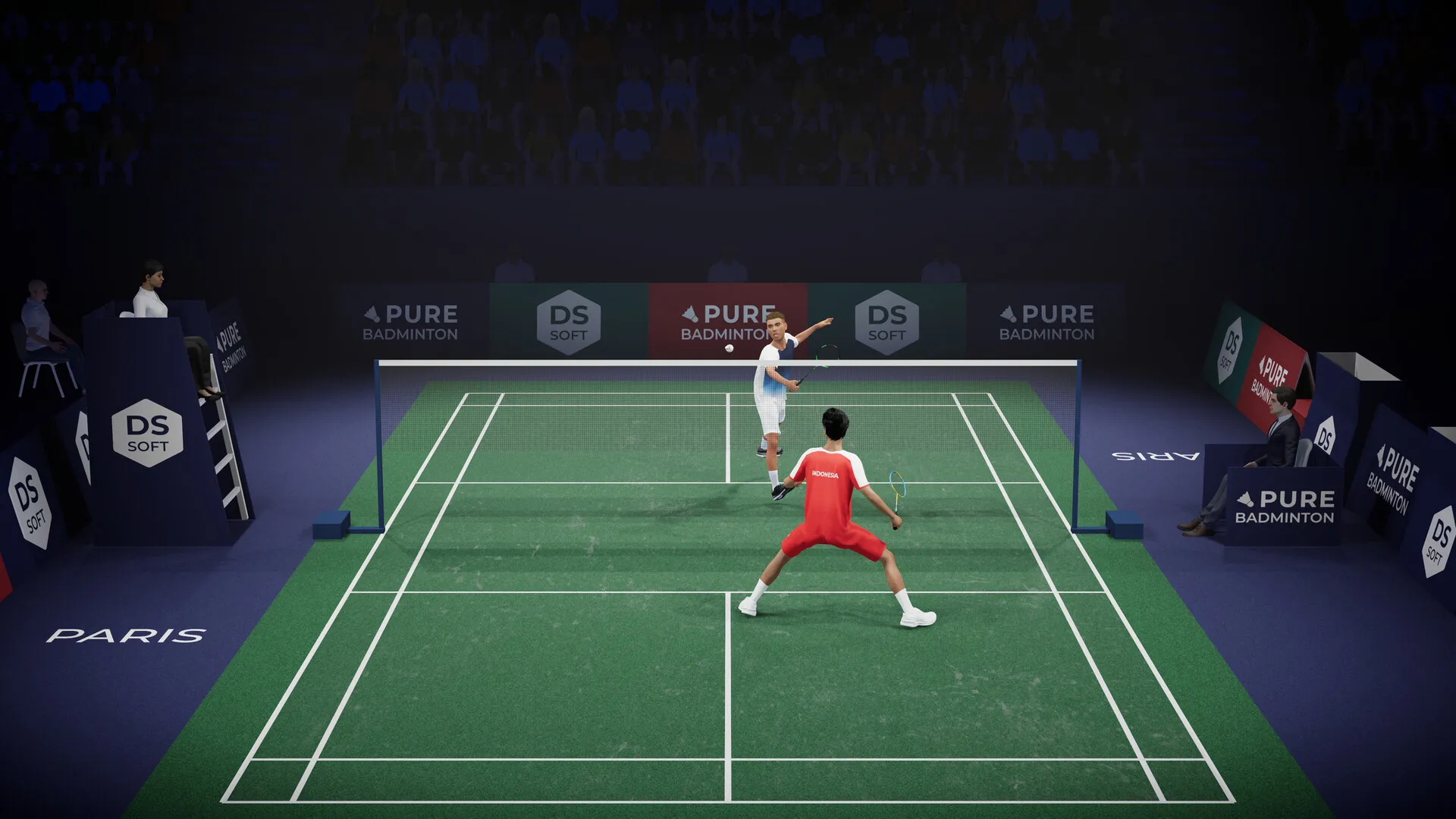
3. How to Manage Stamina for Precision and Consistency
Stamina is the most important resource in Pure Badminton. It affects shot accuracy, timing windows, and shuttle trajectory stability. Players who mismanage stamina often feel like the game is inconsistent, when in reality their low stamina is causing poor shot execution.
To manage stamina effectively, avoid sprinting unless absolutely necessary. Use footwork to conserve energy and maintain a high stamina bar. When stamina is high, your shots become more precise, allowing you to execute tight net drops, steep smashes, and deceptive slices. When stamina is low, switch to safer defensive shots like clears and lifts.
Stamina Management Tips
- Sprint only when needed
- Use downtime to regenerate stamina
- Adjust shot selection based on stamina level
The Stamina Rule
High stamina equals high precision — always play with this in mind.
4. How to Choose the Right Shot at the Right Time
Shot selection is where Pure Badminton becomes truly strategic. Each shot type has strengths and weaknesses depending on your stamina, position, and opponent’s location. Choosing the wrong shot at the wrong time leads to easy points for your opponent.
When you have high stamina and good positioning, use aggressive shots like smashes, slices, and tight net drops. When you’re out of position or low on stamina, switch to defensive clears or lifts to reset the rally. Understanding when to attack and when to defend is the key to consistent performance.
Offensive Shot Options
- Smashes
- Cross‑court slices
- Tight net drops
Defensive Shot Options
- High clears
- Straight lifts
- Safe drives
Shot Selection Principle
Never force an aggressive shot when your stamina or position doesn’t support it.
5. How to Control the Rally and Dictate Tempo
Rally control is the art of deciding how fast or slow the rally should be. Players who control tempo force their opponents into uncomfortable positions, draining their stamina and limiting their shot options. Pure Badminton rewards players who can shift between fast and slow rallies strategically.
To control tempo, vary your shot speed and placement. Use fast drives to pressure your opponent, then slow the rally with a soft net drop. Mix clears with smashes to keep your opponent guessing. The goal is to disrupt their rhythm while maintaining your own.
Tempo Control Techniques
- Alternate between fast and slow shots
- Use clears to reset the rally
- Use net play to force stamina usage
The Tempo Advantage
Controlling tempo means controlling the match.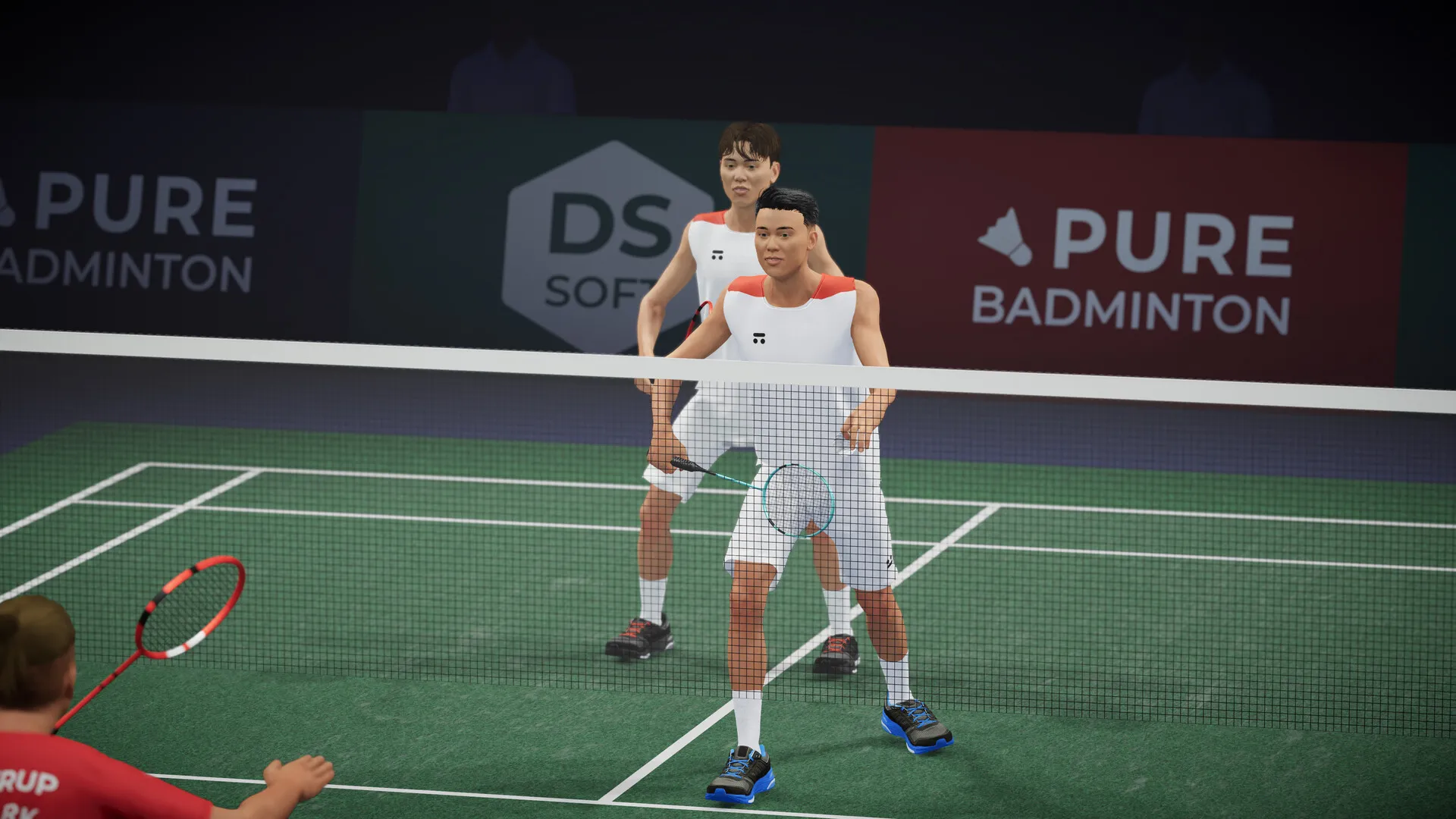
6. How to Master Net Play and Close‑Range Exchanges
Net play is one of the most technical aspects of Pure Badminton. It requires precise timing, delicate touch, and excellent stamina management. Many players avoid the net because they fear making mistakes, but mastering net play gives you a huge strategic advantage.
Start by practicing basic net drops with high stamina. Focus on consistency rather than aggression. Once you’re comfortable, add deception by varying your racket angle and timing. Net play is also where stamina feints become powerful — pretending to be low on stamina can bait your opponent into lifting the shuttle, giving you a chance to attack.
Net Play Skills
- Soft net drops
- Deceptive slices
- Quick recovery steps
Why Net Play Wins Matches
The net is where rallies are won or lost — control it, and you control the game.
7. How to Build Offensive Pressure Without Overcommitting
Offense in Pure Badminton is not about smashing constantly. It’s about creating pressure through smart shot placement, stamina manipulation, and controlled aggression. Overcommitting to offense drains stamina and leads to unforced errors.
To build pressure safely, attack only when you have positional advantage. Use smashes sparingly and follow them with quick recovery steps. Mix in drop shots and drives to keep your opponent moving. The goal is to force weak returns, not to end the rally immediately.
Offensive Pressure Tools
- Well‑timed smashes
- Cross‑court drops
- Fast drives
The Golden Rule
Attack with intention, not desperation.
8. How to Defend Against Aggressive Opponents
Aggressive opponents can overwhelm unprepared players with fast smashes and relentless pressure. The key to defending effectively is staying calm, maintaining stamina, and using defensive shots to reset the rally.
When facing heavy offense, avoid panicking. Use high clears to push your opponent to the backcourt and give yourself time to recover. Focus on positioning rather than counterattacking immediately. Once you regain control, shift the tempo and force your opponent into longer rallies where stamina becomes a factor.
Defensive Tools
- High clears
- Straight lifts
- Defensive drives
Defense Mindset
Defense is not passive — it’s preparation for your next attack.
9. How to Read Your Opponent and Predict Their Shots
Reading your opponent is an advanced skill that separates good players from great ones. Pure Badminton provides subtle visual cues that reveal your opponent’s intentions: racket angle, footwork direction, timing, and body posture.
Pay attention to patterns. Does your opponent always smash when you lift? Do they favor cross‑court shots? Do they panic under pressure? Use this information to anticipate their next move and position yourself early. Prediction reduces the need for sprinting, which preserves stamina and improves shot quality.
Opponent Reading Cues
- Racket angle
- Body rotation
- Footwork direction
- Timing rhythm
The Prediction Advantage
If you know what’s coming, you control the rally before it even begins.
10. How to Maintain Long‑Term Improvement and Consistency
Mastery in Pure Badminton requires patience, practice, and self‑analysis. Improvement comes from identifying weaknesses, refining technique, and developing mental resilience. Consistency is built through repetition and thoughtful practice.
Set small goals for each session: improve your net drops, reduce unnecessary sprinting, or practice stamina‑efficient movement. Record your matches and analyze your mistakes. Over time, you’ll develop a deeper understanding of the game’s mechanics and your own playstyle.
Improvement Tips
- Practice footwork daily
- Review match recordings
- Focus on one skill at a time
The Path to Mastery
Consistency comes from discipline — not talent.
Conclusion
Pure Badminton is a game of precision, stamina management, and strategic intelligence. Mastering it requires understanding movement, shot selection, rally control, and psychological discipline. This guide has walked you through every major stage of progression, offering practical tips and deeper insights to help you grow from a beginner into a confident, competitive player. With practice and patience, you can unlock the full depth of Pure Badminton and enjoy a richer, more rewarding gameplay experience.