.webp)






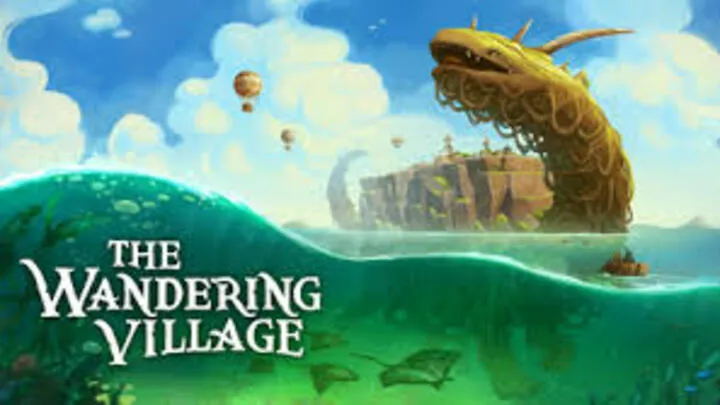
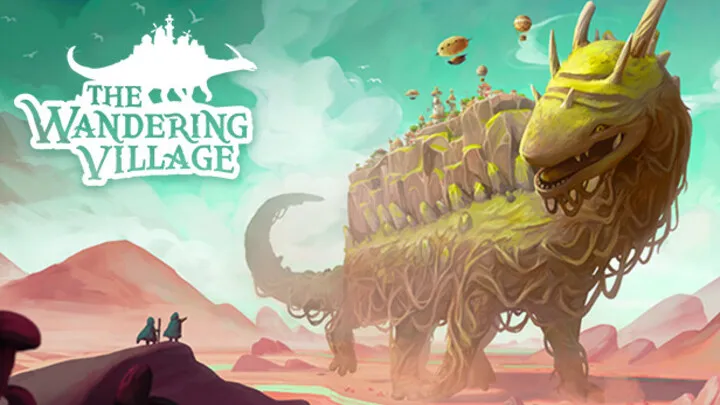
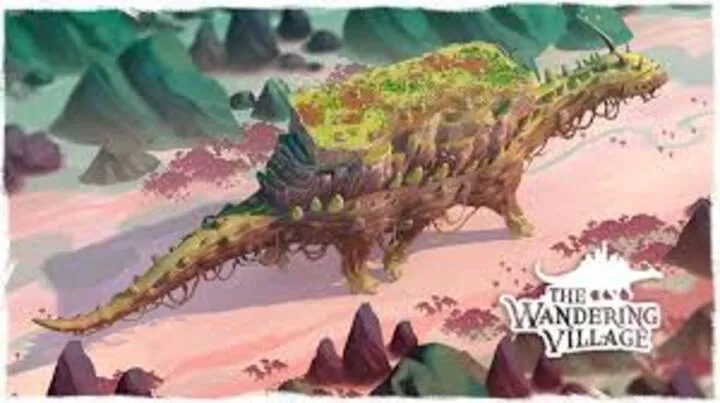
The Wandering Village is a city-building survival game with a unique premise: your entire settlement lives on the back of a gigantic wandering creature. This single design choice changes everything. Instead of managing a static city, you must constantly adapt to movement, changing biomes, environmental hazards, and the health of the creature carrying your people.
Success in The Wandering Village is not about rapid expansion—it is about balance, foresight, and respect for the living world beneath your village. This guide explains how to play effectively, avoid common mistakes, and build a sustainable society that survives long journeys.
Understanding the Core Survival Loop
The game revolves around three interconnected systems:
- Village survival
- Environmental adaptation
- Creature health and cooperation
Every decision you make affects all three. Overproducing resources may damage the creature, while under-preparing leaves your villagers vulnerable to weather and scarcity. The key is harmony, not domination.
Early Game Planning: Build Slow, Build Smart
The early game determines whether your village will survive future biomes.
Early Priorities
- Secure food production immediately
- Build essential housing, not excess structures
- Assign villagers carefully to avoid inefficiency
Avoid expanding too fast. A small, well-managed village is stronger than a large, unstable one.
Food Production and Resource Balance
Food is the most important resource in the game.
Food Strategy Tips
- Diversify crops to reduce risk
- Rotate food sources when biomes change
- Store surplus without overworking villagers
Different biomes favor different crops. Flexibility ensures survival.
Understanding Biomes and Environmental Hazards
The wandering creature travels through deserts, forests, toxic lands, and more.
How to Prepare
- Stockpile before entering harsh zones
- Adjust production based on climate
- Reduce outdoor work during extreme conditions
Players who anticipate environmental changes suffer fewer crises.
Managing Villager Health and Morale
Villagers are affected by food quality, workload, housing, and environment.
Keep Villagers Healthy By
- Providing varied diets
- Avoiding overwork
- Building clinics early
- Monitoring morale indicators
Healthy villagers work better and survive longer journeys.
Building Efficient Infrastructure
Space on the creature’s back is limited.
Infrastructure Tips
- Plan layouts carefully
- Keep production chains close
- Avoid unnecessary rebuilding
Efficient design reduces wasted time and energy.
Caring for the Creature
The creature is not just terrain—it is a living being.
Creature Care Strategies
- Monitor health regularly
- Use medicines responsibly
- Avoid toxic pollution when possible
Treating the creature well unlocks benefits and ensures long-term survival.
Research and Technology Choices
Research unlocks new buildings, tools, and solutions.
Smart Research Priorities
- Food preservation
- Health improvements
- Environmental protection
- Efficiency upgrades
Choose technologies that solve current problems before future ones.
Managing Waste and Pollution
Waste management becomes critical in later stages.
Pollution Control Tips
- Process waste early
- Avoid buildup in sensitive areas
- Balance industrial output
Unchecked pollution damages both villagers and the creature.
Long-Term Survival and Adaptation
Late-game success depends on adaptability.
Key Long-Term Strategies
- Anticipate biome changes
- Maintain resource buffers
- Balance population growth
- Protect the creature’s health
Survival is a marathon, not a sprint.
Conclusion
The Wandering Village is a thoughtful survival experience that rewards patience, planning, and ethical decision-making. By balancing village needs with environmental care and respecting the creature that carries your people, you can build a thriving society capable of surviving a dangerous and ever-changing world.
True success comes not from control, but from coexistence.