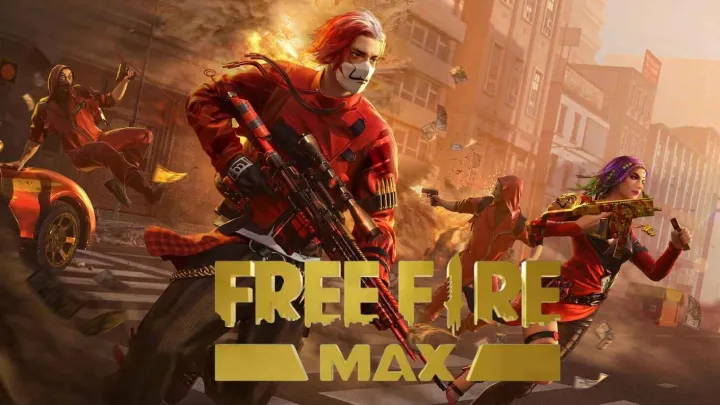
Free Fire is not just a fast-paced mobile shooter. Beneath its simple mechanics lies a deep system of survival, strategy, and decision-making. Many players begin as casual shooters, but over time, they develop tactical awareness that fundamentally changes how they play. This article explores the journey from beginner to advanced player in Free Fire and reveals what truly separates survivors from early eliminations.
1. The Beginner Stage: More Than Just Shooting
Most new players believe that good aim is the key to winning. While shooting skills matter, survival in Free Fire depends on much more.
Common Beginner Mistakes
- Landing in crowded hotspots without a plan
- Running in open areas without cover
- Prioritizing kills over safety
Core Lesson
Survival always comes before kills.
2. Map Awareness and Terrain Control
Every Free Fire map is designed with strategic zones. Understanding terrain helps players predict danger and control engagements.
Key Elements
- High-ground advantages
- Natural cover and hiding spots
- Rotation routes between zones
Tactical Insight
Players who control terrain often control the fight.
3. Landing Strategy: The First Critical Decision
The moment players land, their fate is already being shaped.
Landing Styles
- Aggressive landing: High risk, high reward
- Safe landing: Lower risk, slower progression
Strategic Principle
The best players balance risk and reward instead of choosing extremes.
4. Efficient Looting: Speed Over Quantity
Looting is not about collecting everything—it’s about collecting the right things quickly.
Priority Items
- Weapons
- Armor
- Medkits and utilities
Golden Rule
Loot fast, move faster.
5. Combat Timing and Engagement Control
Not every fight is worth taking. Tactical players know when to fight and when to disengage.
Smart Combat Choices
- Fight only when prepared
- Avoid unnecessary clashes
- Use positioning to gain advantage
Survival Logic
Choose battles wisely—don’t chase every kill.

6. Character Skills and Tactical Roles
Free Fire characters are designed with unique abilities that influence gameplay.
Role Types
- Attacker
- Support
- Defender
Strategic Insight
Skill synergy is more important than raw damage.
7. Squad Coordination: The Power of Teamplay
In squad mode, teamwork often outweighs individual skill.
Effective Squad Tactics
- Covering teammates
- Sharing resources
- Coordinated attacks and retreats
Key Truth
A coordinated squad beats a skilled solo player.
8. Mid-Game Positioning and Zone Control
As the safe zone shrinks, positioning becomes decisive.
Positioning Tips
- Rotate early instead of rushing late
- Hold advantageous zones
- Avoid being trapped by the zone
Tactical Rule
Positioning wins games before shooting does.

9. Psychological Control Under Pressure
High-pressure situations test more than mechanics—they test mindset.
Mental Skills of Strong Players
- Patience
- Focus
- Emotional control
Competitive Edge
Calm decisions lead to consistent victories.
10. The Pro Mindset: Thinking Like a Survivor
Advanced players stop thinking like shooters and start thinking like survivors.
Pro Habits
- Planning ahead
- Adapting to unpredictable situations
- Prioritizing long-term survival
Winning Formula
Strategy + discipline = dominance.
Conclusion
Free Fire is not merely about fast reflexes—it is about intelligent survival. Players who understand maps, manage resources, control emotions, and coordinate with teammates consistently outperform reckless shooters. The evolution from casual gameplay to tactical mastery is what makes Free Fire endlessly engaging and competitive.