.webp)
The Architecture of Digital Nostalgia and Capitalist Enclosure in Toca Boca World: A Deep Dive into the Commodification of Child Play
ADVERTISEMENT
1. 2018: The Consolidation Era and the Death of the Standalone Toy
The Strategic Shift in Business Paradigms
Key Structural Differences:
- Legacy Model (Pre-2018): Pay once, offline accessibility, isolated play spaces, zero cross-promotional pop-ups.
- Platform Model (Post-2018): Free entry point, integrated marketplace, continuous content drops, persistent locked visual elements.
2. 2019–2020: The Anatomy of Digital Fear of Missing Out (FOMO) and Artificial Scarcity
Psychological Trigger Mechanics in Youth Gaming
Visual Scarcity Pipeline:
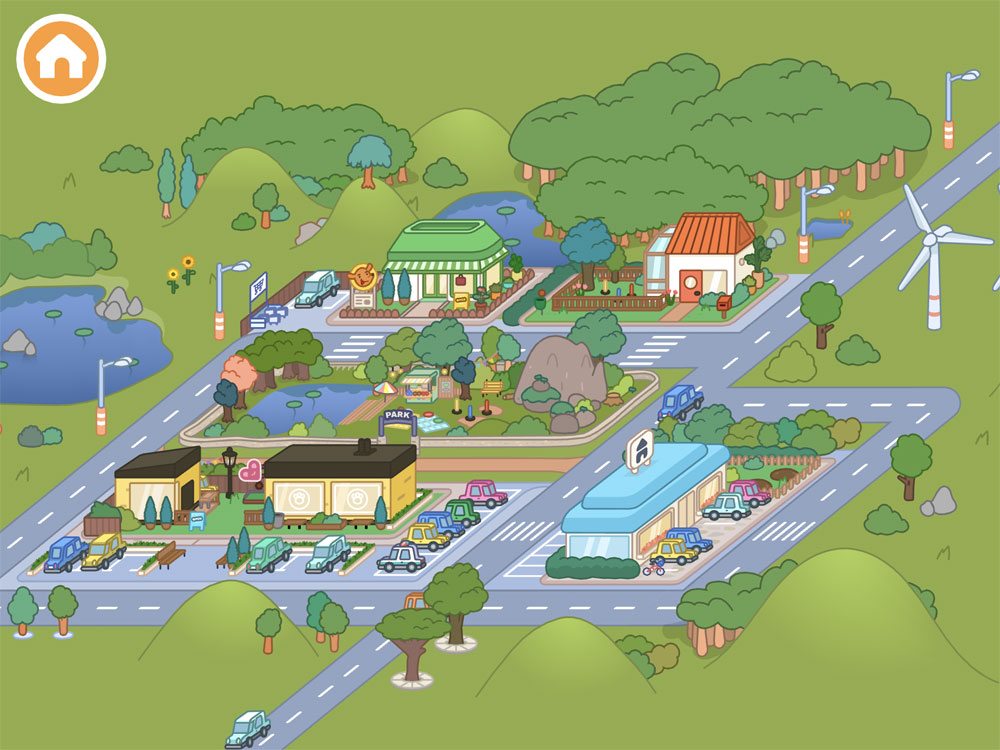
- Exposure: Viewing greyed-out landmarks during world map navigation.
- Interaction: Tapping locked items yields an immediate commercial modal window.
- Desire Generation: In-game character animations model enthusiasm around locked items.
- Urgency: Countdown timers on limited holiday furniture bundles force impulse requests.
3. 2021: The Hyper-Commodification of Virtual Interior Design and Self-Expression
Deconstructing the Asset Bundling Model
Customization Gating Breakdown:
- Basic Tier (Free): Standard wooden furniture, plain wallpapers, limited color palettes.
- Premium Tier (Paid Packs): Trend-aligned decor, functional lights, specialized sound-emitting appliances, expanded color swatches.
4. 2022: Social Media Echo Chambers and the "Toca Life" Creator Economy
The Anatomy of "Aesthetic Play" Trends
Community Impact Mechanics:
- Aspirational Normalization: Making $100+ worth of DLC look like the baseline standard for play.
- Peer Group Exclusion: Children playing base versions feel unable to participate in trends or share "aesthetic" screenshots with peers.
5. 2023: Technical Debt, Save-State Instabilities, and the Illusion of Ownership
The Mechanics of Data Failure
Technical Failure Symptoms:
- Endless loading screens when entering custom houses with high item density.
- Missing custom avatars or characters reverting to default clothing.
- Complete world wipes triggered by automatic background updates.
6. Early 2024: The Freemium Paradox and the Erosion of Core Gameplay Integrity
Comparing Sandbox Models
Sandbox Structural Comparison:
- Traditional Physical Sandbox: Unlimited structural freedom, shared egalitarian resources, self-directed rules.
- Commercial Digital Sandbox: Spatial restrictions, locked feature gates, continuous upsell prompts.
7. Late 2024: Parental Friction, Dark Patterns, and the In-App Purchase Pipeline
Common Interface Friction Points
Friction Analysis:
- Location of Store Icons: Placed in high-frequency touch zones near main screen controls.
- Parental Gate Fatigue: Simple math problems that older children easily memorize or solve after repeated attempts.
- Obscured Total Cart Values: Lack of a centralized subscription option leads to unrecognized aggregate spending.
8. 2025: Regulatory Scrutiny, Age-Appropriateness, and Digital Child Rights
Legal and Ethical Frameworks
Key Regulatory Directives:
- Child-Centric Design Mandatory Standards: Requiring explicit segregation of storefronts from primary play maps.
- Data Privacy Protections: Strict limits on telemetry tracking child interaction frequency for ad target modeling.
9. 2026: The Modern State of Toca Boca World — A Fractured Digital Playground
Summary Assessment of the Current Ecosystem
Platform Strengths vs. Structural Weaknesses:
- Strengths: Industry-leading diversity/representation tools, expressive animation, rich interactive depth.
- Weaknesses: High cumulative cost, persistent save data instability, omnipresent microtransaction prompts.