.webp)
Splatoon 3 and the Hidden Problem of Competitive Compression
Introduction
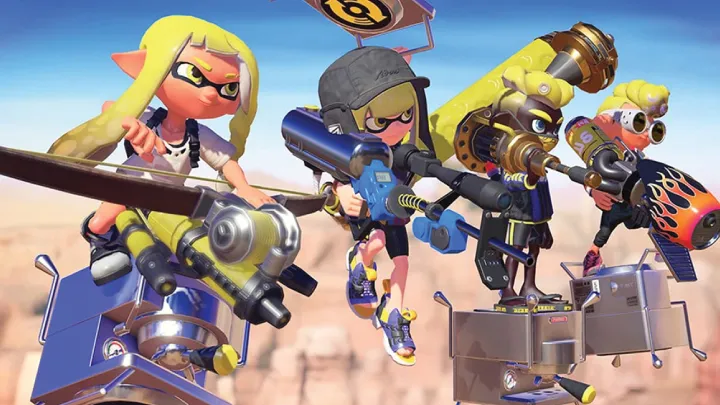
At first glance, Splatoon 3 appears to be one of Nintendo’s most polished multiplayer experiences. Its vibrant visuals, fast-paced movement, and creative weapon systems make it feel unique in a genre dominated by military shooters. Unlike traditional competitive games, Splatoon 3 emphasizes movement, map control, and ink management rather than raw realism. That identity helped the franchise stand apart.
However, beneath the colorful surface lies a major issue that increasingly affects long-term players: competitive compression. Over time, the game’s systems, weapon balance, map design, and matchmaking structure have gradually pushed players toward increasingly narrow playstyles and strategies. What once felt chaotic and expressive now often feels rigid, optimized, and repetitive at higher levels.
This is not simply a complaint about balancing. Competitive compression is a deeper structural issue where viable strategies slowly shrink, reducing creativity and player expression. In Splatoon 3, this problem impacts everything from weapon diversity to map pacing and even community behavior.
Rather than discussing the game broadly, this article explores how competitive compression emerged in Splatoon 3, why it matters, and how it changes the experience for both casual and high-level players.
Splatoon Originally Thrived on Chaos and Freedom
The First Games Encouraged Improvisation
One reason the original Splatoon became successful was its unpredictability. Matches often felt messy in the best possible way. Players experimented constantly:
- Unusual weapons
- Aggressive flanking
- Risky movement routes
- Strange gear combinations
The maps supported improvisation because they offered multiple paths and open movement opportunities.
Turf War Was About Creativity, Not Perfection
Unlike traditional shooters, winning in early Splatoon was not entirely dependent on eliminating opponents. A player could contribute through:
- Painting isolated areas
- Distracting enemies
- Supporting teammates
- Controlling movement lanes
This created room for unconventional playstyles.
Why This Was Important
The franchise’s identity depended on freedom. Players felt encouraged to develop personal styles rather than follow rigid competitive formulas.
Splatoon 3 Increased Competitive Intensity Dramatically
Movement Became Faster and More Demanding
Splatoon 3 introduced more advanced movement mechanics and increased combat speed. Techniques like squid rolling and squid surging added depth, but they also raised the skill ceiling considerably.
At lower levels, these mechanics feel exciting. At higher levels, they become mandatory.
Mechanical Pressure Reduced Experimentation
As movement optimization became more important, players started prioritizing weapons capable of keeping up with the faster pace.
Weapons That Benefited Most
- Splash-o-matic
- Splattershot
- Squeezer
- Certain shooters with strong mobility
Meanwhile, slower or more situational weapons struggled to remain competitive.
The result was subtle but important: freedom began shrinking.
Map Design Narrowed Strategic Possibilities
Splatoon 3 Maps Became More Centralized
One of the most criticized aspects of Splatoon 3 is its map design philosophy. Many stages funnel players into tight central choke points with limited flank routes.
Compared to earlier games, maps often feel:
- Narrower
- More linear
- Easier to lock down
Choke Points Favor Meta Weapons
When maps emphasize centralized fights, weapons with strong direct combat naturally dominate.
This Hurts
- Ambush-focused playstyles
- Long flank strategies
- Creative positioning
- Slower tactical weapons
Instead of diverse engagements, many matches revolve around repeated battles for the same central space.
The Psychological Effect of Repetition
Over time, players begin internalizing “correct” routes and behaviors. Matches start feeling scripted rather than dynamic.
That predictability weakens one of Splatoon’s greatest strengths: improvisation.
Weapon Balance Slowly Compressed the Meta
A Few Weapons Became Universally Efficient
Competitive games naturally develop metas, but Splatoon 3’s balance changes often reinforced already dominant weapon archetypes instead of expanding diversity.
Certain weapons gained value because they offered:
- Strong paint coverage
- Reliable combat performance
- Mobility
- Safe special generation
This made them effective in nearly every situation.
Specialist Weapons Lost Their Identity
More niche weapons began struggling because maps and pacing no longer supported their strengths.
Examples of Weakened Archetypes
- Heavy setup weapons
- Trap-oriented kits
- Slow chargers on cramped maps
- Support-focused weapons
As a result, many players abandoned unique weapons for safer meta choices.
Specials Became Centralized Around Efficiency
Specials Shape Match Flow Too Aggressively
Special weapons are intended to create dramatic momentum swings. In Splatoon 3, however, certain specials became so efficient that entire matches began revolving around them.
The strongest specials often provide:
- Area denial
- Safe pressure
- Guaranteed displacement
- Easy coordination value
Tactical Diversity Started Disappearing
Instead of using specials creatively, teams increasingly deploy them according to optimized timing cycles.
Common High-Level Patterns
- Farming specials repeatedly
- Layering pressure simultaneously
- Coordinated special spam
- Forcing predictable retreats
This transforms matches from fluid skirmishes into structured ability rotations.
Ranked Modes Amplified Compression Further
Competitive Systems Reward Safety
In ranked play, players naturally gravitate toward consistency. Since losing carries penalties, experimentation becomes riskier.
This creates a self-reinforcing cycle:
- Meta weapons dominate
- Players copy successful strategies
- Alternative styles disappear
- The meta becomes even narrower
X Rank Intensified Optimization Culture
At high skill levels, small inefficiencies become heavily punished. Players are expected to:
- Memorize map control patterns
- Follow optimized positioning
- Use accepted weapon compositions
The Result
Creativity becomes socially discouraged because “off-meta” choices are seen as liabilities.
Over time, individuality fades.
Community Perception Accelerated the Problem
Online Discussion Prioritizes Optimization
Modern multiplayer communities analyze games faster than ever before. Within days of patches, players identify:
- Best weapons
- Strongest specials
- Optimal gear abilities
- Efficient strategies
This information spreads instantly through:
- YouTube guides
- Competitive Discord servers
- Tier lists
- Tournament streams
Casual Players Absorb Competitive Anxiety
Even players who never enter tournaments become influenced by optimization culture.
Common Community Behaviors
- Refusing “weak” weapons
- Copying pro builds exactly
- Avoiding experimentation
- Blaming teammates for non-meta picks
The psychological environment changes from playful creativity to performance pressure.
Salmon Run Escaped Compression Better Than PvP
Cooperative Modes Encourage Flexibility
Interestingly, Salmon Run avoids many of the problems affecting competitive modes.
Because weapon assignments rotate constantly, players must adapt rather than specialize.
Randomness Preserves Creativity
Salmon Run remains dynamic because:
- Team compositions change constantly
- Situations evolve unpredictably
- Adaptation matters more than optimization
Why This Matters
It demonstrates that Splatoon 3 still supports creativity when systems prevent rigid meta consolidation.
The issue is not the game’s mechanics themselves, but how competitive structures shape player behavior.
Constant Optimization Changed Match Atmosphere
Matches Feel More Stressful Than Earlier Games
Older Splatoon entries often felt playful even during defeat. In Splatoon 3, higher-level matches can feel exhausting because the pace rarely relaxes.
Players constantly track:
- Enemy specials
- Paint efficiency
- Spawn timing
- Positioning precision
Casual Fun and Competitive Design Began Colliding
Nintendo traditionally designs multiplayer games around accessibility and spontaneity. However, Splatoon 3 increasingly resembles highly optimized esports titles.
This Creates Identity Conflict
The game simultaneously wants to be:
- Casual and expressive
- Competitive and balanced
Maintaining both becomes difficult when optimization dominates community behavior.
Seasonal Updates Sometimes Made Compression Worse
Frequent Balance Patches Shifted Power Too Quickly
Ongoing updates kept the game fresh, but they also accelerated meta cycling. Players rapidly shifted toward newly buffed weapons while abandoning nerfed ones.
This encouraged temporary optimization rather than long-term mastery.
Content Volume Increased Information Fatigue
New weapons, kits, and balance changes introduced complexity faster than many players could comfortably adapt.
Consequences
- Returning players felt overwhelmed
- Casual players struggled to keep up
- Meta discussions dominated community spaces
Ironically, more content sometimes reduced diversity because players relied even more heavily on established high-tier strategies.
Competitive Compression Threatens Splatoon’s Identity
The Franchise Was Built on Expression
At its core, Splatoon succeeded because it felt different from traditional shooters. It rewarded:
- Style
- Creativity
- Movement freedom
- Unpredictability
Players could express personality through gameplay itself.
Compression Reduces Personal Identity
When optimal strategies dominate too heavily, individuality shrinks.
Players Start Looking Similar
- Same movement patterns
- Same weapon picks
- Same routes
- Same special timing
The game risks losing the artistic chaos that originally defined it.
Why This Matters Beyond Balance
This issue is not merely about whether one weapon is overpowered. It is about preserving the emotional identity of the franchise.
A perfectly balanced game can still feel creatively empty if players stop experimenting.
Potential Solutions for Restoring Freedom
Map Design Needs Greater Variety
Future updates or sequels could reintroduce:
- Wider flank routes
- Vertical alternatives
- Less centralized objectives
- Dynamic terrain interactions
More open maps naturally support diverse playstyles.
Underused Weapons Need Stronger Unique Roles
Instead of trying to make every weapon universally viable, developers could emphasize distinct strengths.
Possible Improvements
- Better niche utility
- Unique movement interactions
- Specialized map control tools
- Greater tactical identity
Reward Creativity, Not Just Efficiency
Competitive systems often reward pure optimization. Adding mechanics that encourage improvisation could restore some of the franchise’s original energy.
For example:
- Dynamic objectives
- Rotating environmental hazards
- Less predictable special interactions
Uncertainty creates creativity.
Conclusion
Splatoon 3 remains one of Nintendo’s most inventive multiplayer games, but beneath its vibrant presentation lies a growing issue of competitive compression. Over time, faster movement, centralized maps, dominant weapon metas, and optimization-focused community culture have gradually reduced the creative freedom that once defined the series.
The problem is not that the game became competitive. Competition itself can be exciting and rewarding. The deeper issue is that the systems increasingly push players toward narrow forms of efficiency, reducing experimentation and personal expression.
What made Splatoon special was never just winning. It was the feeling that matches could unfold unpredictably, that strange strategies might work, and that personality mattered as much as precision.