.webp)







World of Tanks is often perceived as a straightforward tank game: point, shoot, and damage enemies until they are destroyed. However, beneath the surface lies an intricate system of armor modeling, shell mechanics, and angle exploitation that separates casual players from veterans. Armor mechanics dictate every interaction, from bounce chances to penetration, and profoundly influence positioning, map control, and tactical decision-making.
This article delves deeply into how armor works, why angles and shell types matter, and how skilled players manipulate these hidden systems to dominate matches. We will focus on one of the most misunderstood aspects of the game: the interplay between tank armor, shell penetration, and angling. By exploring this system across ten structured sections, players can gain insight into the mechanical depth that drives World of Tanks combat.

The Anatomy of Armor: Plate Thickness, Slope, and Hit Zones
Every tank in World of Tanks is built with detailed armor models. Armor is defined not just by raw thickness but by the orientation of each plate, the slope angle, and the location of weak points such as cupolas, lower glacis, and sides.
Sloped armor amplifies effective thickness. A 100 mm plate angled at 60 degrees does not simply provide 100 mm of protection; it effectively acts like 200 mm or more due to deflection and the increased distance the shell must travel. Understanding the slope of frontal, side, and turret armor is essential. Angling your tank correctly transforms even a lightly armored vehicle into a formidable defensive platform.
Weak zones are equally important. Hatches, vision ports, and gun mantlets often offer reduced armor or irregular slope, creating critical vulnerability if targeted. Players who memorize these zones exploit them for consistent damage against heavily armored opponents.
Shell Mechanics: AP, HE, and HEAT Interactions
World of Tanks employs three primary shell types: AP (Armor Piercing), HE (High Explosive), and HEAT (High Explosive Anti-Tank). Each interacts with armor differently.
AP shells rely on raw penetration and are affected by slope. Excessive slope can cause bounces even when the gun caliber should theoretically penetrate. APHE shells combine penetration with an explosive payload, making them effective against lightly angled armor.
HE shells ignore thickness but deliver reduced penetration; their damage is mitigated against heavily armored targets. HEAT shells are slope-independent but can be subject to normalization effects, meaning extreme angles reduce effectiveness. Understanding these interactions allows players to choose the correct ammunition for each engagement and armor profile.
The Physics of Angling: Maximizing Defensive Potential
Angling your tank is not simply turning slightly to the left or right. It involves aligning your frontal armor toward the enemy while presenting the minimum possible profile. Effective angling increases the likelihood of shell ricochets and reduces penetration chances.
Key principles include:
- Side-scraping: Exposing a heavily armored side at a shallow angle while hiding weaker parts.
- Hull angling: Tilting the front hull to maximize effective thickness.
- Turret rotation: Aligning turret armor independently of hull to deflect incoming shells.
Mastery of angling transforms tanks with modest armor into formidable threats, enabling players to survive encounters against higher-tier opponents.
Ricochet and Bounce Mechanics: The Invisible Shield
Ricochet mechanics are a cornerstone of World of Tanks armor simulation. Each shell has a ricochet angle determined by caliber, shell type, and impact velocity. If the angle of impact exceeds this threshold, the shell will bounce instead of penetrating.
Effective angling allows players to exploit this mechanic. Heavily sloped tanks, like the T-34 or IS-3, regularly bounce shells from opponents attempting to hit the hull directly. However, bounce mechanics are not uniform:
- Larger caliber shells are less likely to ricochet.
- HEAT shells bypass slope but may still be partially mitigated.
- Shots at weak points, even angled, will penetrate reliably.
Understanding bounce thresholds provides a critical advantage, particularly when facing higher-tier or high-penetration opponents.
Overmatch: Breaking the Armor Ceiling
Overmatch occurs when a shell’s caliber significantly exceeds the thickness of armor, allowing penetration regardless of slope. This is particularly relevant for small-caliber tanks attempting to damage heavily armored vehicles.
For example:
- Light tank guns rarely overmatch heavy armor, relying instead on flanking.
- Medium tank guns may achieve overmatch on side armor if angled correctly.
- High-caliber artillery or heavy tank guns consistently overmatch thin plates.
Recognizing overmatch potential informs tactical choices: a flanking shot may not be necessary if your gun caliber ensures automatic penetration, whereas improper engagement angles could result in repeated bounces.
Weak Spots and Targeting Precision
Every tank has identifiable weak spots: lower glacis, commander's cupola, mantlet, and tracks. These zones are less protected or have armor inconsistencies that make them ideal targets.
Hitting weak points maximizes damage efficiency. Critical hits from small-caliber guns often require targeting the cupola or lower hull. Experienced players memorize each tank’s weak points to exploit armor effectively. Maps with choke points, elevated terrain, and cover create opportunities for skillful targeting of these vulnerable areas.
Ammo Selection and Shell Economics
Selecting the right shell type is critical. Using AP against heavily sloped targets can waste precious penetration potential. HEAT may guarantee penetration but offers lower alpha damage. HE is effective against lightly armored or exposed tanks but fails against heavy armor.
Experienced players manage ammo economically, switching shell types mid-battle depending on enemy composition and angle. Mastery of ammo choice, combined with angling awareness, dramatically improves effective damage output.
The Interplay Between Positioning and Angling
Tank placement is inseparable from armor efficiency. Even perfectly angled armor fails if positioning exposes weak points or limits escape routes. Players must account for terrain, enemy line of sight, and ally support when angling.
Strategies include:
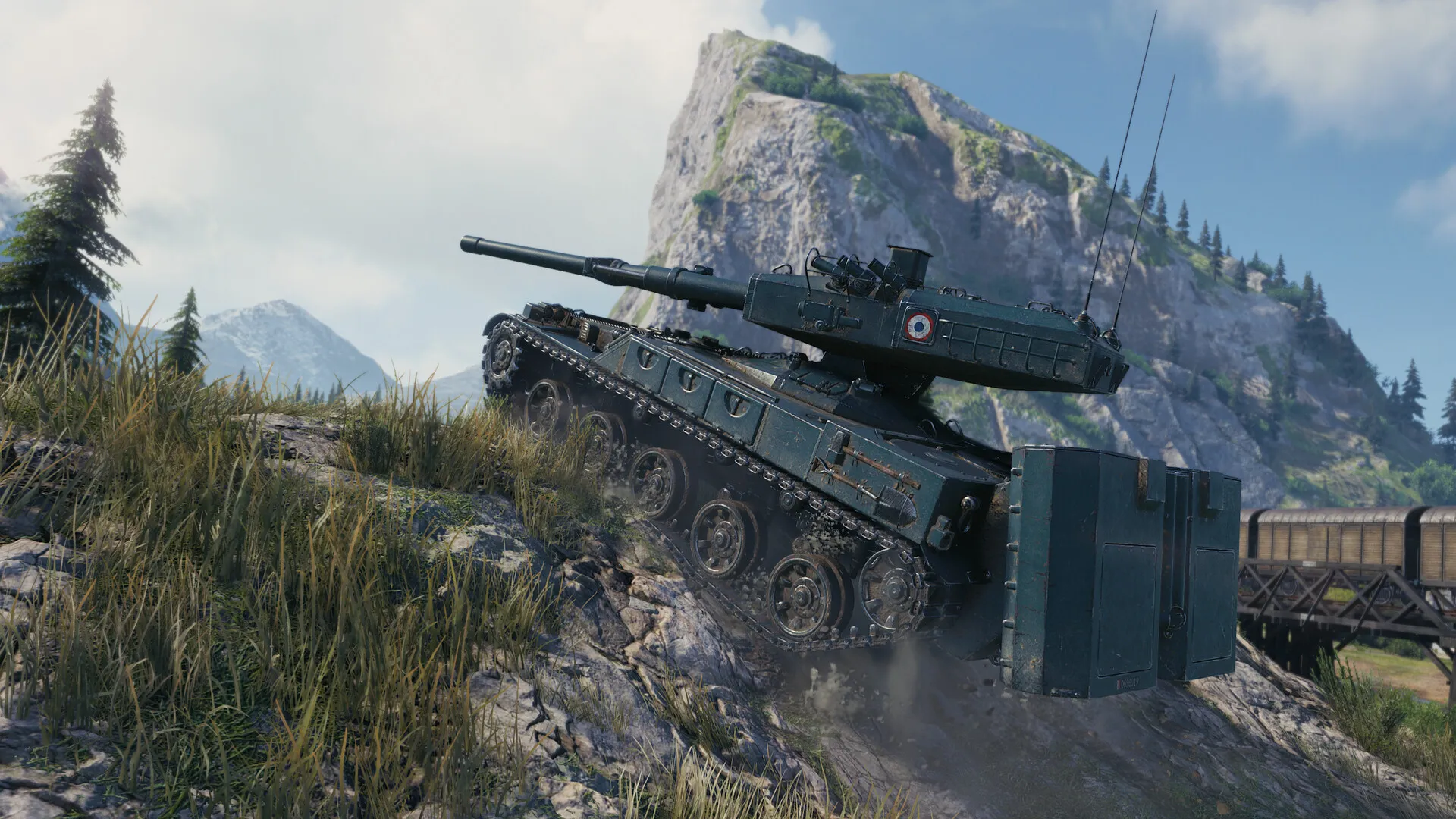
- Using hills to expose only sloped armor
- Side-scraping behind buildings or rocks
- Maintaining hull concealment while rotating turrets independently
The combination of positioning and angling determines survival, forcing players to integrate map knowledge with mechanical skill.
Advanced Concepts: Hull-Down and Side-Scraping Techniques
The hull-down position, where only the turret is exposed, is the pinnacle of defensive play. It maximizes frontal armor usage while minimizing profile. Side-scraping combines hull angling with terrain to bounce incoming shells consistently.
Advanced players apply these techniques dynamically: adjusting angles as enemies maneuver, anticipating overmatch, and timing movements to force ricochets. This transforms battles from raw firepower contests into strategic duels where knowledge, prediction, and finesse dictate outcomes.
Psychological and Strategic Impacts of Armor Mechanics
Mastery of armor mechanics influences more than individual encounters. Opponents who cannot penetrate angled tanks may hesitate, misfire, or retreat. Skilled teams coordinate flanking to defeat tank defenses, while inexperienced squads expose themselves to predictable bounces.
This psychological impact creates meta-strategic layers: map control, baiting, and threat projection. Armor mechanics not only protect your tank but shape enemy behavior, turning the battlefield into a chessboard of angles, slopes, and decision-making.
Conclusion
World of Tanks’ armor system is deceptively complex. Angling, ricochets, overmatch, weak spots, and shell types all interact to determine whether a shot penetrates, bounces, or fails entirely. Understanding these mechanics transforms tank play from reactive shooting into proactive strategy.
Every engagement, from a close-range skirmish to a long-range duel, relies on mastering angles, predicting enemy fire, and leveraging terrain. Armor angling is not just a defensive tool—it is a strategic language that communicates dominance, skill, and battlefield awareness. Players who internalize these mechanics gain a decisive advantage and elevate themselves from casual participants to elite tacticians.