



Dota 2 is one of the most complex and competitive multiplayer online battle arena (MOBA) games in the world. With its deep strategy, diverse hero pool, and intricate mechanics, mastering Dota 2 can feel overwhelming. This guide will take you step by step, from understanding the basics to refining advanced strategies, giving you the tools to succeed in this challenging game.
Understanding the Basics of Dota 2
Dota 2 pits two teams of five players against each other in a battle to destroy the enemy's Ancient. The map is divided into three lanes: top, mid, and bottom, along with a jungle filled with neutral creeps. Each player chooses one of over 120 heroes, each with unique abilities and roles.
The primary roles in Dota 2 include carry, support, offlaner, midlaner, and roamer. Understanding these roles is essential for team coordination. Play the tutorial and beginner-friendly heroes like Sniper, Lion, or Lich to grasp the game's fundamentals.
How to Choose the Right Hero
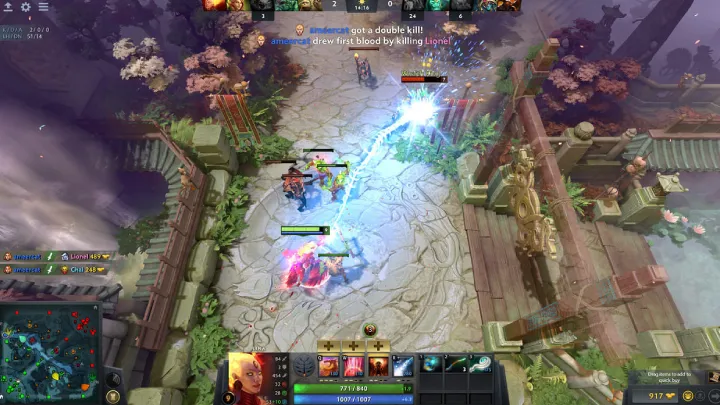
Choosing the right hero is a critical aspect of Dota 2. Each hero belongs to one of three primary attributes: Strength, Agility, or Intelligence. Strength heroes are tanky, Agility heroes excel in damage output, and Intelligence heroes focus on spells and crowd control.
When selecting a hero, consider your team's needs. For example, if your team lacks a tank, pick a Strength hero like Axe or Centaur Warrunner. If the team needs a damage dealer, go for Agility heroes like Juggernaut or Drow Ranger. Play a variety of heroes to find ones that suit your playstyle.
Mastering the Laning Phase
The laning phase is the early game period where players farm creeps, harass opponents, and gain experience. Effective farming is key. Focus on last-hitting enemy creeps while denying your own to minimize the opponent's gold and experience.
Positioning is crucial during the laning phase. Stay behind your creeps to avoid taking unnecessary damage from the enemy. If you’re playing support, help your carry secure farm by harassing opponents and placing wards to provide vision.
Understanding Map Awareness
Map awareness is one of the most important skills in Dota 2. Regularly check the minimap to track enemy movements and avoid ganks. Vision is key, so place Observer Wards in strategic locations, such as river entrances and high-ground spots.
Communicate with your team about enemy heroes who are missing from their lanes. A well-timed call can save a teammate or secure an objective. Additionally, use Smoke of Deceit to initiate surprise attacks on unsuspecting enemies.
How to Communicate Effectively with Your Team
Communication is a cornerstone of success in Dota 2. Use the in-game chat and ping system to share information about enemy positions, upcoming objectives, or team strategies. For example, ping the map to alert teammates of an incoming gank or objective.
Maintain a positive attitude to foster teamwork. Avoid blaming teammates for mistakes, as this can lead to frustration and poor performance. Encourage your team and focus on the bigger picture to achieve victory.
Mastering Objectives and Teamfights
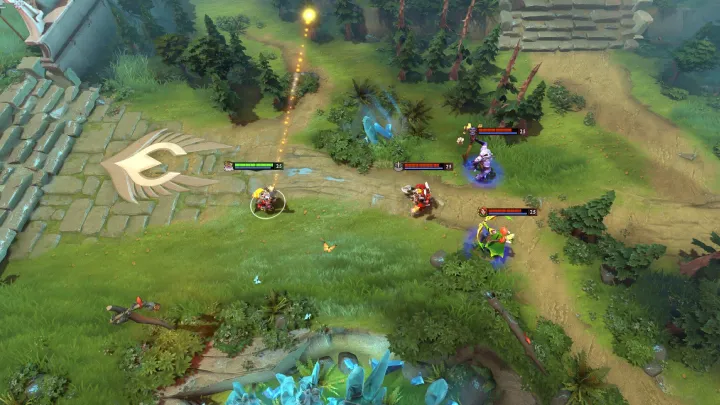
Objectives like towers, Roshan, and barracks are essential to winning games in Dota 2. Coordinate with your team to secure these objectives at the right moments. Destroying towers and barracks weakens the enemy’s defenses and creates lane pressure.
Teamfighting is a key component of Dota 2. Position yourself strategically and target high-priority enemies, such as their carry or support. Use your hero’s abilities effectively to disrupt the enemy team and protect your allies. Sticking together during fights increases your chances of success.
How to Build the Right Items
Itemization is critical in Dota 2, as it enhances your hero’s capabilities and counters the enemy team. Each hero has core items that amplify their strengths. For example, Anti-Mage benefits from items like Battle Fury and Manta Style, while Crystal Maiden thrives with Glimmer Cape and Force Staff.
Adapt your item build based on the game’s progress. For instance, if the enemy team has strong magic damage, consider purchasing Black King Bar. If they rely on physical attacks, items like Ghost Scepter or Shiva’s Guard are excellent choices.
How to Manage Resources and Farm
Efficient resource management is vital for success. Pay attention to your hero’s health and mana, and use consumables like Tangoes and Clarity to sustain yourself in lane. Farming efficiently is another crucial skill. Practice last-hitting and use abilities to clear waves quickly.
Jungle farming is a great way to earn extra gold and experience. Neutral creeps respawn every minute, so clear camps as often as possible. If you’re playing a support hero, leave the farm for your carry and focus on stacking camps for them.
How to Climb the Ranked Ladder
Climbing the ranked ladder in Dota 2 requires consistent improvement and a focus on teamwork. Start by mastering a small pool of heroes that you’re comfortable with. Specializing in specific roles will also help you perform consistently.
Review your replays to identify mistakes and learn from them. Avoid tilting after losses, as maintaining a clear mind is essential for improvement. Communicate effectively with your team and adapt your strategies based on the game’s flow.
Staying Updated with the Meta
Dota 2 is a constantly evolving game, with regular patches that introduce changes to heroes, items, and mechanics. Staying updated with the meta ensures you remain competitive. Read patch notes to understand how updates affect the game.
Experiment with meta heroes and strategies to gain an advantage. However, don’t rely solely on the meta. Play heroes you’re skilled with, as personal proficiency often outweighs meta advantages.
Conclusion
Mastering Dota 2 takes time, dedication, and practice. By understanding the basics, refining your mechanics, and working on team coordination, you can improve your skills and climb the ranks. Follow this guide to gain a deeper understanding of the game and enjoy the thrill of intense battles on the Dota 2 battlefield.
Summary
Master Dota 2 with this guide. Learn hero selection, laning, map awareness, team coordination, and itemization to improve and climb the ranked ladder effectively.