Gorilla Tag: How Physical Movement and Player Freedom Redefined VR Multiplayer
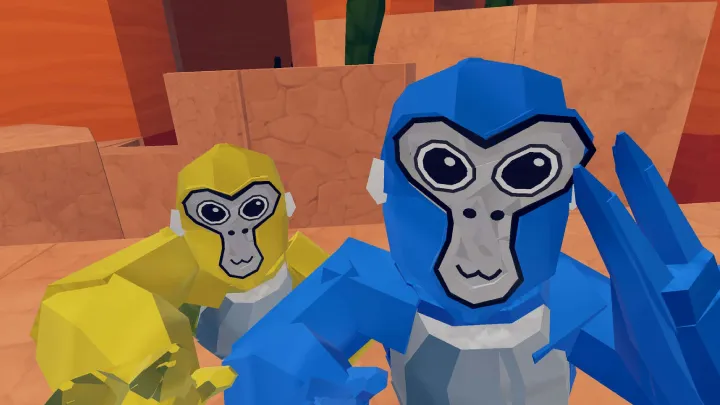
Gorilla Tag is a virtual reality game that breaks away from traditional VR controls by making the player’s body the main input. With no buttons for movement and no complex mechanics, the game focuses entirely on physical motion, awareness, and player interaction. This article explores Gorilla Tag from a design, skill progression, and player experience perspective, explaining why it continues to thrive in the VR space.
1. Movement as the Core Identity of the Game
In Gorilla Tag, movement is not a feature—it is the entire game. Players move by pushing against surfaces with their arms, turning physical effort into speed and direction.
This design forces players to adapt their real-world movements, making the experience deeply immersive.
Movement Philosophy
The body replaces traditional controls.
Natural Learning Curve
Players learn through physical repetition.
2. Player Freedom Without Tutorials
There are no guided tutorials in Gorilla Tag. New players learn by watching others and experimenting.
This organic learning system creates a sense of discovery and personal progress.
Learning Through Observation
Watching skilled players teaches technique.
Trial and Error
Failure is part of mastery.
3. Physical Skill Transfer Between Real and Virtual Worlds
The skills learned in Gorilla Tag are physical. Coordination, timing, and endurance improve naturally with play.
This physical engagement separates it from most VR games.
Skills Developed
- Arm strength
- Reaction speed
- Balance
Body Awareness
Movement becomes instinctive.
4. Tag Mechanics and Player Pressure
The infection-style tag mode creates constant pressure. Being chased triggers quick decision-making and movement improvisation.
This pressure fuels excitement and replayability.
Core Rules
- One infected gorilla
- Infection spreads by tagging
- Evade to survive
Adrenaline Effect
Chases increase intensity.
5. Environmental Design and Vertical Play
Maps in Gorilla Tag are designed to encourage climbing and wall movement rather than ground-based running.
Vertical design increases complexity without adding mechanics.
Map Elements
- Walls
- Trees
- Platforms
Environmental Strategy
Knowing terrain improves escape routes.
6. Advanced Movement Techniques and Mastery
High-level players use advanced techniques to move faster and unpredictably.
These techniques reward practice and creativity.
Advanced Techniques
- Wall chaining
- Momentum boosts
- Corner launches
Skill Ceiling
Movement mastery has no limit.

7. Social Behavior and Emergent Gameplay
Because players can talk freely, unexpected interactions happen constantly. Conversations, alliances, and playful teasing emerge naturally.
The community defines the game’s tone.
Social Features
- Proximity voice chat
- Gestures
Emergent Moments
No two matches feel the same.
8. Fair Progression and Cosmetic Identity
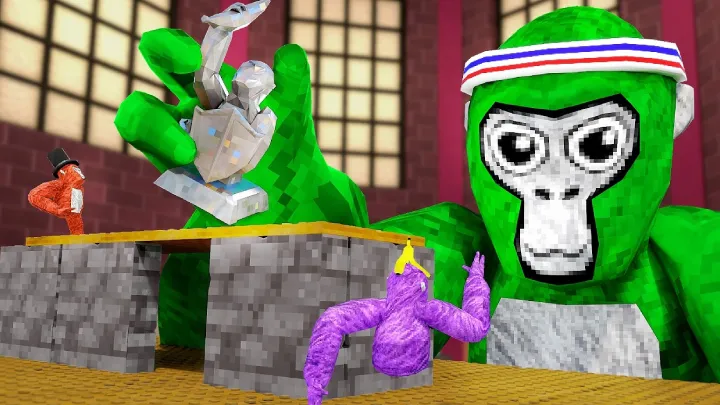
Progression in Gorilla Tag is cosmetic-only. Hats and accessories allow self-expression without impacting gameplay.
This keeps competition fair and skill-based.
Cosmetic Types
- Hats
- Seasonal items
Identity Expression
Players stand out visually.
9. Accessibility and Low Technical Barriers
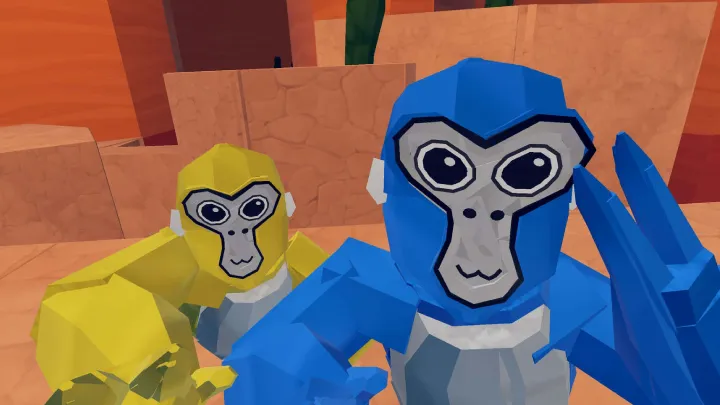
Gorilla Tag runs smoothly on standalone VR headsets. Minimal graphics reduce hardware strain.
This accessibility helped grow its player base rapidly.
Accessibility Factors
- Low system requirements
- Simple visuals
Wider Reach
More players can join.
10. Gorilla Tag’s Place in the Future of VR
Gorilla Tag represents a shift toward physical-first VR experiences. Its success influences how future VR games approach movement.
The game shows that immersion can come from simplicity.
Future Influence
- More physical VR games
- Movement-based design trends
Lasting Impact
Design over graphics.
Conclusion
Gorilla Tag proves that innovation in VR doesn’t require complex systems or realistic visuals. By making physical movement and player interaction the foundation of gameplay, it delivers a unique and engaging experience. As VR continues to evolve, Gorilla Tag stands as a powerful example of how simplicity and creativity can redefine multiplayer gaming.