


In recent years, Avatar World has evolved far beyond a simple sandbox roleplay game into a constantly expanding creative platform. What once relied on static locations and basic interactions has transformed into a live-service experience driven by frequent updates, seasonal content drops, and community-focused design changes.
The most important news issue surrounding Avatar World today is the rapid shift toward live content updates and how these updates are redefining gameplay, creativity, and long-term player engagement. Unlike traditional sandbox games that remain largely unchanged after release, Avatar World now operates on a continuous update cycle, introducing new locations, customization systems, and interactive features at a steady pace.
This transformation has significantly impacted how players approach the game. Creativity is no longer limited by the base environment — instead, it evolves alongside new content releases. However, this shift also introduces challenges such as content overload, inconsistent storytelling continuity, and reliance on update cycles.
This article explores the evolution of Avatar World’s live content strategy, analyzing how updates are structured, how they affect gameplay, and what they mean for the future of sandbox roleplay experiences.
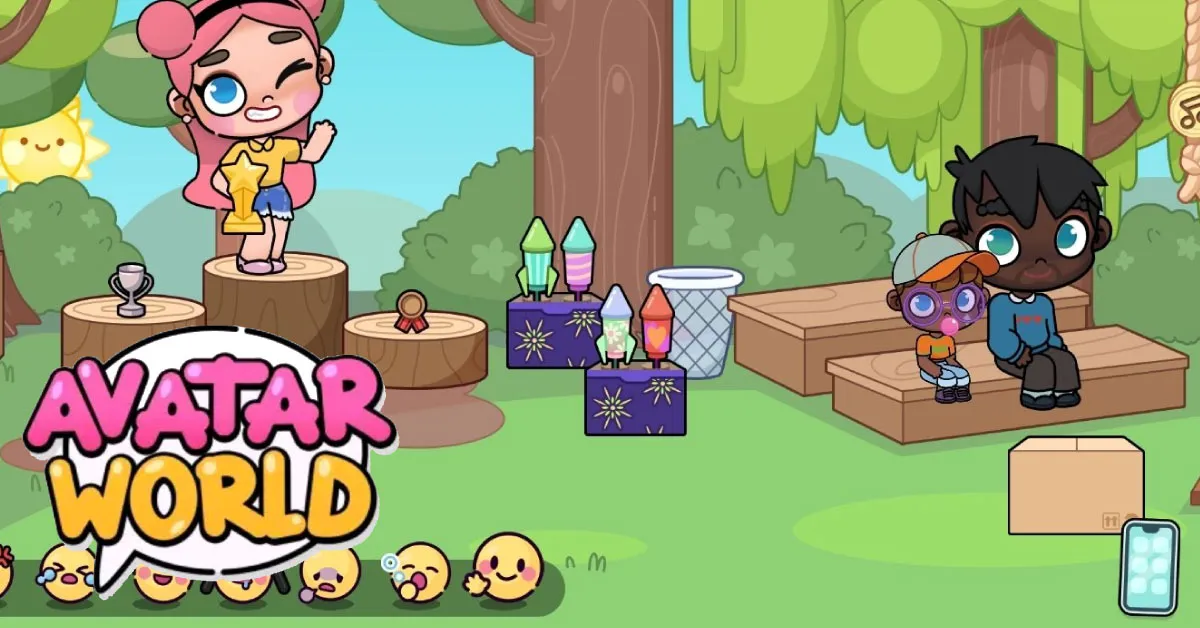
The Early Version of Avatar World Before Live Updates
When Avatar World first launched, the game focused on providing a stable sandbox environment where players could explore locations and interact with objects. Content updates were minimal, and most gameplay relied on player imagination rather than new features.
At this stage, the game’s design philosophy emphasized simplicity and accessibility. Players could quickly understand the mechanics and begin creating their own stories.
Limitations of early versions
Despite its charm, the early version had several constraints:
• Limited number of locations
• Minimal character customization
• Few interactive objects
These limitations often led to repetitive gameplay over time.
Player creativity as the main driver
Without frequent updates, players relied entirely on their imagination to create engaging scenarios. While this worked for highly creative users, others found it difficult to maintain long-term interest.
This created the need for a more dynamic content system.
The Shift Toward a Live Content Model
As the player base grew, developers recognized the need to keep the game fresh. This led to a major shift toward a live content model, where new updates are released regularly.
This transition marked a turning point in Avatar World’s development.
What defines live content in Avatar World
Live content includes:
• Regular addition of new locations
• Seasonal themes and decorations
• New character customization options
These updates ensure that the game world continues to evolve over time.
Why the shift was necessary
Static sandbox games often struggle with player retention. By introducing live updates, developers created a system that encourages players to return frequently.
This model aligns Avatar World with modern live-service games.
Expansion of Locations and Interactive Environments
One of the most visible changes in Avatar World has been the expansion of its map. New locations are added regularly, each offering unique themes and interaction possibilities.
These locations play a major role in shaping player creativity.
Types of new locations introduced
Social spaces
Cafés, parks, and public areas designed for interaction.
Functional environments
Schools, hospitals, and workplaces that support structured roleplay.
Impact on gameplay
The addition of diverse locations allows players to create more complex and varied stories.
Instead of repeating the same scenarios, players can explore new settings that inspire fresh ideas.
The Growth of Character Customization Systems
Another major development in Avatar World is the expansion of avatar customization. Players now have access to a wider range of outfits, accessories, and character styles.
Customization has become a central part of the gameplay experience.
Key customization features
• Clothing variations
• Hairstyles and facial features
• Themed outfits for events
Influence on player identity
Customization allows players to create unique characters with distinct personalities. This enhances roleplay depth and makes interactions more meaningful.
Players often design characters specifically for certain storylines.
Seasonal Events and Limited-Time Content Drops
Seasonal updates have become a defining feature of Avatar World’s live content strategy. These events introduce temporary themes, decorations, and items that change the look and feel of the game.
Examples of seasonal events
• Holiday-themed environments
• Special event costumes
• Limited-time interactive objects
Effects on player engagement
Seasonal content creates urgency. Players are motivated to log in during events to experience exclusive features.
These updates also encourage players to create event-themed stories, adding variety to gameplay.
How Frequent Updates Are Changing Player Behavior
The introduction of regular updates has significantly altered how players interact with Avatar World.
Instead of playing occasionally, many players now return regularly to explore new content.
Positive behavioral changes
• Increased engagement
• More creative experimentation
• Continuous discovery of new features
Challenges introduced by frequent updates
• Difficulty maintaining long-term story continuity
• Overwhelming amount of new content
• Dependence on updates for engagement
Players must adapt their playstyle to keep up with the evolving game world.
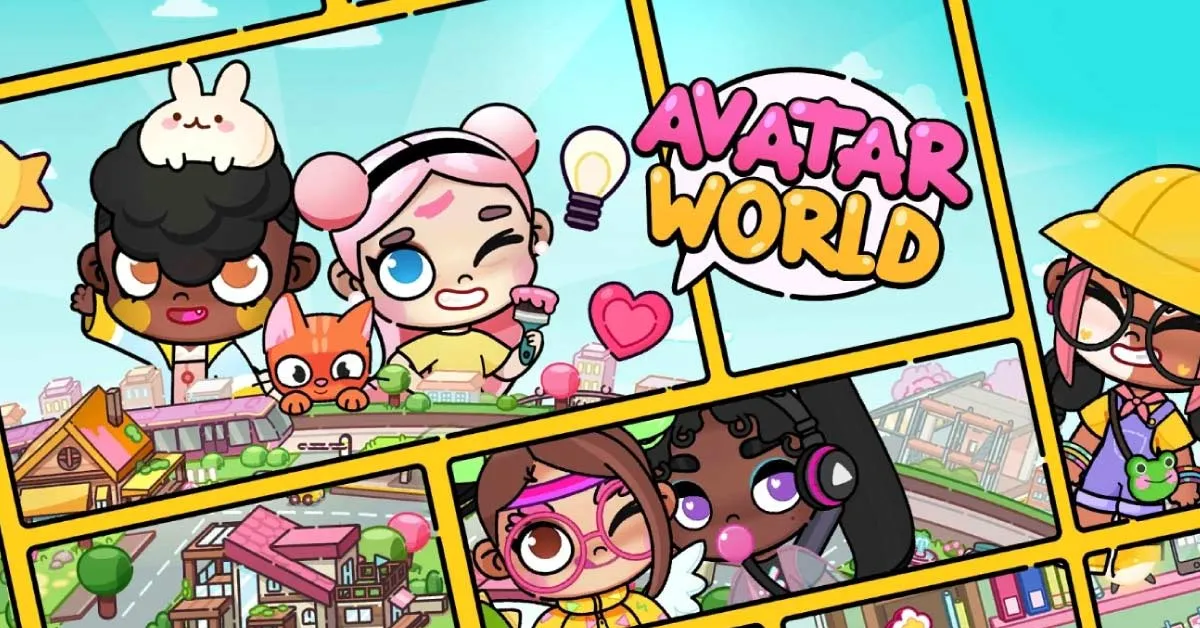
The Role of Community Feedback in Development
Avatar World’s development is increasingly influenced by player feedback. Developers often consider community suggestions when designing updates.
This collaborative approach helps ensure that new content aligns with player interests.
How feedback is collected
• Social media discussions
• Player reviews
• Community forums
Impact on updates
Community feedback has led to improvements in:
• Gameplay mechanics
• Customization options
• Location design
This interaction strengthens the connection between developers and players.
Balancing Creativity and Content Overload
While frequent updates provide new opportunities, they also introduce the challenge of content overload.
Players may feel overwhelmed by the constant addition of new features.
Signs of content overload
• Ignoring new updates due to complexity
• Difficulty choosing what to explore
• Reduced focus on storytelling
Strategies to manage updates
Players can maintain balance by:
• Focusing on specific story themes
• Gradually exploring new content
• Integrating updates into existing narratives
Managing content effectively ensures a better gameplay experience.
The Emergence of Structured Roleplay Systems
With more content available, players have begun developing structured roleplay systems. These systems organize gameplay into consistent storylines and character arcs.
Examples of structured systems
• School roleplay series
• Family-based storylines
• Career progression scenarios
Benefits of structured roleplay
Structured systems help players maintain continuity and avoid repetitive gameplay.
They also allow players to fully utilize new content updates within a cohesive narrative.
The Future of Avatar World as a Live Sandbox Platform
Looking ahead, Avatar World is likely to continue expanding its live content model. Future updates may introduce even more advanced features and systems.
Potential future developments
• More interactive environments
• Expanded customization systems
• Enhanced social features
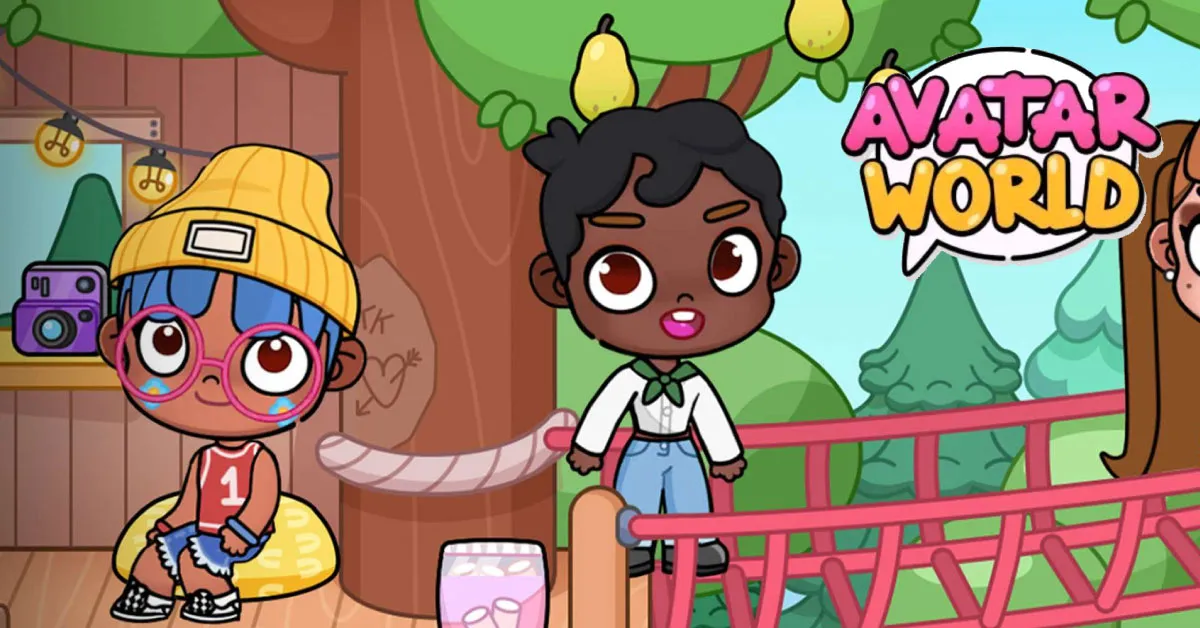
Long-term impact on the genre
Avatar World’s success may influence other sandbox games to adopt similar live-service models.
This could redefine how sandbox games evolve over time.